
Importance of Feedback in Performance Management

Importance of Feedback in Performance Management: The Catalyst for Growth Feedback is the primary nutrient of professional growth. In the context of performance management, it is the vital mechanism that allows for coarse-correction, recognition, and continuous development. A performance system without a robust culture of feedback is like a car
Best Employee Evaluation Methods for Companies
Best Employee Evaluation Methods for Companies: Beyond the Annual Review Employee evaluation is a critical strategic function, yet many companies still rely on outdated and ineffective methods that demotivate their staff. A generic “once-a-year” check-in often fails to provide a nuanced understanding of an employee’s impact and potential. To thrive

How to Set Effective Performance Goals
How to Set Effective Performance Goals: A Manager’s Blueprint Goal setting is the engine of performance. Without clear, ambitious, and achievable targets, employees lack the direction and motivation needed to excel. However, setting “bad” goals—those that are vague, unrealistic, or unaligned with company strategy—can actually damage productivity and team morale.

How Performance Management Improves Productivity
How Performance Management Improves Productivity: A Strategic Alignment Performance management is often misunderstood as just an “annual review” process. In reality, it is a continuous strategic framework designed to ensure that individual and team goals are perfectly aligned with the organization’s high-level objectives. When done correctly, performance management is the
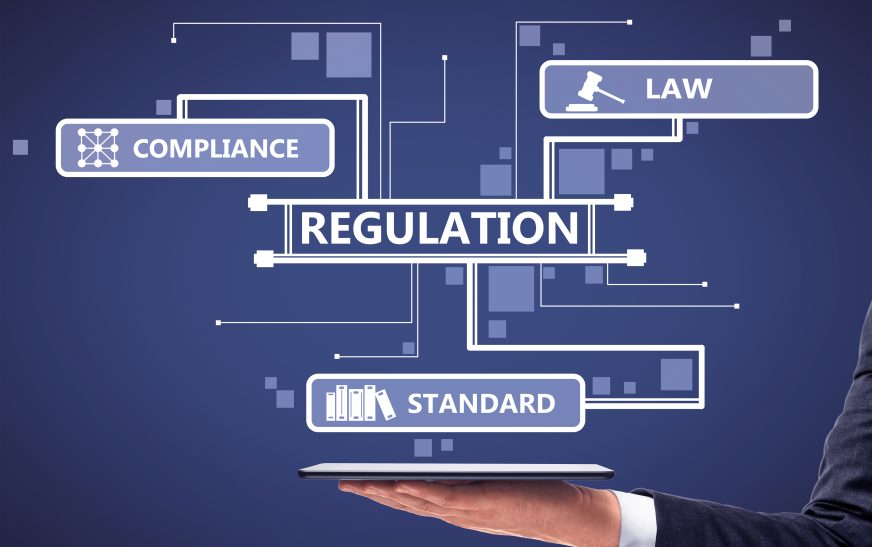
Corporate Compliance Rules Every Company Should Follow
Corporate Compliance Rules Every Company Should Follow: The Safety Net Corporate compliance is the process of ensuring that an organization adheres to all relevant laws, regulations, and internal policies. While it is often seen as a purely legal or administrative function, compliance is actually a major strategic advantage. It is

How to Build an Ethical Work Environment
How to Build an Ethical Work Environment: A Practical Guide Building an ethical work environment is not an accidental achievement; it is a meticulous process that starts with leadership and permeates every level of the organization. An ethical environment is one where honesty, fairness, and transparency are not just words
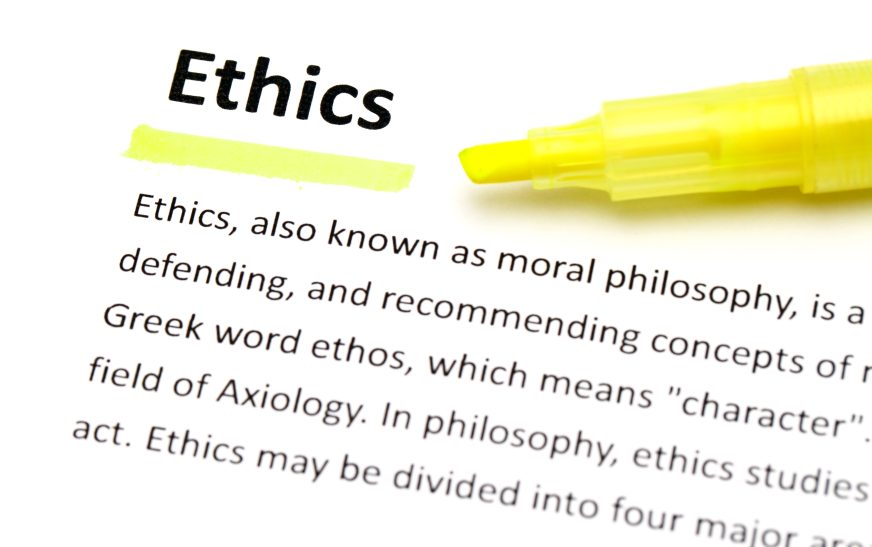
Importance of Workplace Ethics in Organizations
Importance of Workplace Ethics in Organizations: The Moral Foundation Workplace ethics represents the set of moral principles and values that guide the behavior and decision-making of individuals within an organization. It is the “moral compass” of a business, defining what is right and wrong in a professional context. In an
Workplace Conduct Guidelines for Employees
Workplace Conduct Guidelines for Employees: Mastering Professionalism Workplace conduct guidelines are the set of standards that define how employees should interact with one another and represent their organization. These guidelines provide a clear roadmap for professional behavior, ensuring a productive and respectful environment for all. For employees, mastering these standards

Common Hiring Mistakes to Avoid
Common Hiring Mistakes to Avoid: Protecting Your Organization Hiring a new employee is a massive financial and organizational investment. However, even the most experienced managers can make critical hiring errors that lead to toxic culture and missed business targets. From rushing the process to ignoring “red flags,” hiring mistakes are

Recruitment Strategies for Modern Businesses
Recruitment Strategies for Modern Businesses: Winning the Talent War In the digital age, recruitment is more than just posting a job ad; it is a major strategic function that requires a proactive and multi-faceted approach. With the massive shift toward remote work and a wildly competitive market for skilled professionals,
About Me
Hello ! I am Richard Y. Lim
Upon migration to Medina, the direction of the Qibla continued to be Jerusalem, although it was then physically impossible for one to also face the Ka’ba, as Medina is north of Makkah.