
What Are Service Excellence Standards: The Blueprint for Success
Service excellence standards are the specific, measurable, and documented behavioral guidelines that define the “State of the Art” for customer interactions within an organization. They are the “Rules of Engagement” that ensure every customer receives the same high-level, professional, and empathetic service, regardless of who they talk to or what channel they use. For a business, these standards are the primary source of brand consistency and organizational reliability. In 2026, excellence is not a goal; it is a standard.
Without clear standards, service becomes inconsistent, unpredictable, and prone to the individual biases of different employees. This guide provides a comprehensive introduction to the essential pillars of service excellence standards. Let’s look at the mechanics of the formal service blueprint. Success is the byproduct of value and consistency. Unity is the hallmark of synergy.
1. Defining Measurable “Service Level Agreements” (SLAs)
What are service excellence standards starts with the data. A corporation must define exactly what constitutes “Fast” and “Accurate” service. This involves setting clear targets for:
- Response Time: How quickly an email or chat must be answered.
- Resolution Time: How long it should take to fully solve a customer’s problem.
- Accuracy Rates: Ensuring the information provided is 100% correct the first time.
By quantifying your goals, you provide your team with a clear roadmap for success, significantly increasing your professional influence and impact. Precision is the language of leadership.
2. Mastering the Art of Formal “Behavioral Standards”
Service excellence is not just about “what” you do; it’s about “how” you do it. Behavioral standards define the professional demeanor expected from every employee. This includes:
- Greeting Etiquette: How to professionally open every interaction.
- Empathy Requirements: Mandatory steps for validating a customer’s feelings.
- Language and Tone Guidelines: Ensuring a unified and professional brand voice across all departments.
These guidelines signal to your clients that you are a reliable and trustworthy partner who treats their business with authority and professional respect. Integrity is your best brand value.
3. Establishing a Robust “Gold Standard” Internal Compliance Review
Standards are meaningless if they aren’t monitored. Service excellence includes a dedicated process for auditing interactions against your stated guidelines. This involves:
- Quality Assurance (QA) Scoring: Regularly reviewing call recordings and chat transcripts.
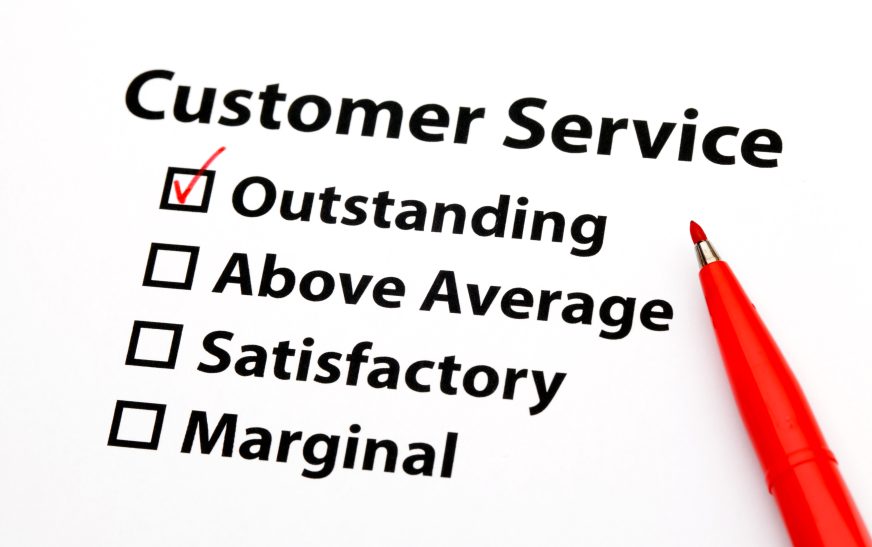
- Customer Feedback Surveys: verifying if the customer’s perception matches your internal standards.
- Continuous Training: Using the findings to drive ongoing professional development.
A professional who prioritizes standards and accountability signal to their organization that they are a trustworthy and responsible steward of corporate data. Consistency is the heartbeat of mastery. Trust is your ultimate firewall.
Service Standards Highlights Checklist
- Transparency: Ensuring every employee knows exactly what standards they are expected to meet.
- Accessibility: Providing the tools and resources needed for the team to achieve the gold standard.
- Reward and Recognition: Publicly celebrating those who consistently exceed the stated standards.
Conclusion
Mastering what are service excellence standards is the foundation of organizational stability in the digital age. By prioritizing measurable targets, behavioral guidelines, and internal compliance, you build a more agile and influential professional presence. In the high-stakes boardroom of 2026, the companies that lead with precision and purpose will be the ones that achieve the most significant successes. Start building your service blueprint today to secure your future brand loyalty. Tangible success starts with a clear mission.