
How to Build a Professional Development Plan: A Manager’s Blueprint
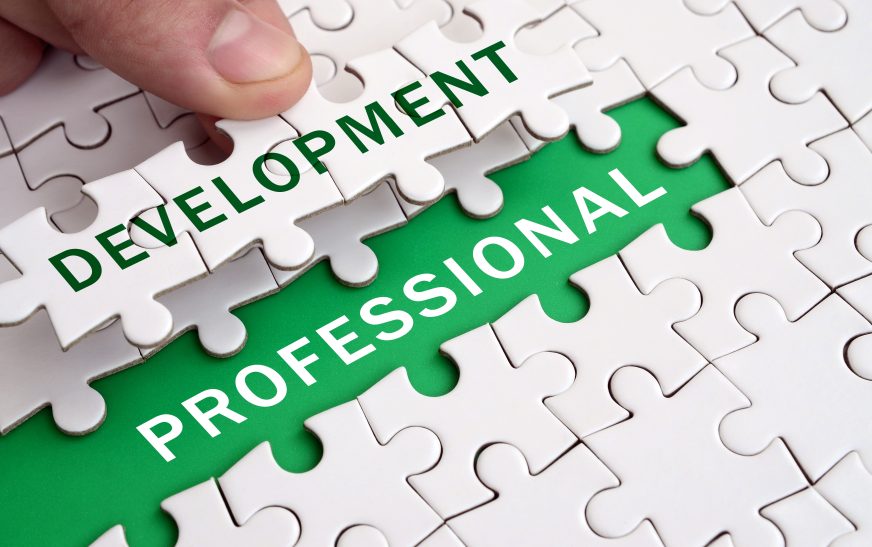
A professional development plan (PDP) is the roadmap that connects your current skills to your future career goals. Without a PDP, your growth is accidental and inconsistent. For corporate leaders and high-performing employees, the ability to build and execute a PDP is a primary driver of organizational agility and individual professional influence. A PDP is more than just a list of classes; it is a meticulous strategic framework designed to ensure your long-term market relevance. Success is the byproduct of value and consistency.
This guide provides a comprehensive roadmap for transforming how you manage your own career. From the art of “Self-Analysis” to the implementation of robust learning systems, we dive into the core principles of high-performance technical competence. Let’s look at how you can transform your organizational presence and become a more influential voice for your company through the power of structure. The goal is excellence through planning. Clarity is the hallmark of authority.
1. Conducting a Radical and Honest “Self-Analysis”
Integrity starts with knowing where you are. How to build a professional development plan starts with a deep audit of your current technical and interpersonal skills. Ask yourself:
- Current Strengths: What do I do significantly better than anyone else in my department?
- Skill Gaps: Where am I struggling, or what is holding me back from the next level?
- Future Needs: What skills will my industry require in 2-3 years? (e.g., AI fluency or global leadership).
By identifying these “Red Flags” personally, you can build a plan that handles real career roadblocks. Awareness is the first step toward leadership influence. Truth is the foundation of trust.
2. Mastering the Shift Toward “SMART Growth Goals”
Vague goals lead to vague results. Build your PDP around goals that are Specific, Measurable, Achievable, Relevant, and Time-bound. Instead of “Improve my leadership,” try “Attend a masterclass on conflict resolution and assume a lead role in the upcoming Q4 project.” This shift provides your brain with a clear and measurable target, significantly increasing your daily task speed and motivation. Precision is the language of leadership. A professional who leads with data-driven goals signal professional discipline and resourcefulness. Support is the hallmark of authority.
3. Establishing a Robust “Continuous Learning Cycle”
Success is a daily professional choice. A PDP should not be a “One-off” document; it must be an ongoing commitment. Build a cycle of:
- Learning: Dedicating 2-3 hours per week to new technical or interpersonal skills.
- Applying: Immediately looking for project opportunities to use what you’ve learned.
- Reflecting: Regularly reviewing your progress and adjusting your plan as project needs shift.
Technical precision in how you manage your learning signals to your organization that you are a trustworthy and responsible steward of human talent. Unity is the foundation of digital synergy. Results grow from feedback. Mastery is a daily professional choice.
PDP Success Checklist
- Leadership Alignment: Sharing your PDP with your manager to secure organizational support and resources.
- Diverse Resources: Using books, workshops, mentors, and podcasts for a multifaceted education.
- Accountability: Finding a peer or mentor to check-in with regarding your goals.
Conclusion
Knowing how to build a professional development plan is an essential investment in your long-term corporate success. By prioritizing self-analysis, SMART goals, and continuous learning, you build a more resilient and high-performing professional presence. In the fast-moving business world of 2026, the professionals who lead with precision and purpose will be the ones that succeed. Start building your organization’s roadmap for excellence today to secure your future brand loyalty. Professionalism is the by-product of structure.