

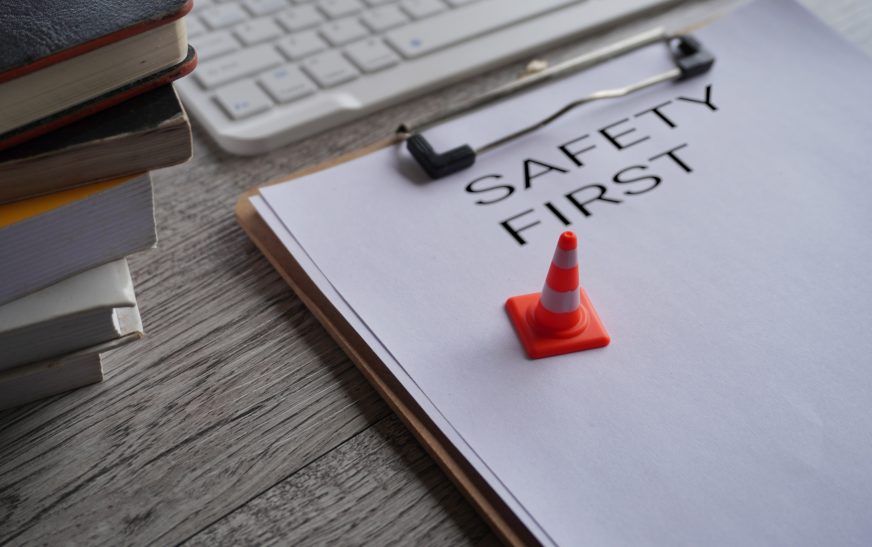
Importance of Workplace Health and Safety: Protecting Your Most Valuable Asset
Workplace health and safety (WHS) is the foundational absolute for any successful business operation. While production targets and profit margins are essential, they can never be prioritized over the physical and mental well-being of the workforce. For corporate leaders and employees at all levels, importance of health and safety is a major strategic and moral requirement. A safe environment is what protects your human assets, reduces operational risk, and builds a resilient corporate reputation. In 2026, safety is the first pillar of excellence.
A single workplace accident can have devastating consequences—from personal injury and permanent disability to astronomical legal fines and crippling organizational downtime. Understanding the multifaceted importance of WHS is essential for driving long-term organizational stability and individual professional influence. This guide explores how safety translates into a more profitable and high-performing business. Let’s look at the mechanics of the “Safety-First” culture. Success is the byproduct of value and consistency.
1. Protecting brand Reputation and Maintaining Organizational Trust
Success in business is fundamentally built on trust. Importance of health and safety centers precisely around ensuring that every employee returns home in the same condition they arrived. When a company experiences a major safety failure, it signals to the world that it is not a reliable or ethical steward of its people. This loss of trust is often permanent, leading to increased employee turnover, difficulty in talent acquisition, and a severely damaged brand reputation in the global marketplace. Integrity is your best firewall.
2. Fostering a Culture of Professional Discipline and Well-being
WHS is the primary driver of organizational trust in the professional era. In a safe environment, employees feel confident performing their tasks and collaborating across departments. This “culture of safety” prevents toxic behaviors like “cutting corners” or ignoring protocols for speed. When everyone knows the company operates with a strong commitment to health and safety, they feel a significantly higher sense of psychological safety and professional purpose, providing you with a more agile and efficient team. Support is the hallmark of authority.
3. Mitigating Astronomical Financial and Legal Organizational Risks
Beyond the moral implications, WHS is a major tool for financial risk management. Organizations that prioritize safety are significantly less likely to face costly lawsuits, regulatory fines (like OSHA compliance), and the massive expense of business recovery after an incident. By establishing clear guidelines for professional behavior and ensuring total compliance with safety standards, a company protects its financial health and its long-term corporate influence. Safety is the ultimate safeguard for your organizational assets. Consistency is the heartbeat of mastery.
Safety Importance Highlights Checklist
- Risk Management: Identifying and neutralizing potential hazards before they cause an accident.
- Regulatory Compliance: Adhering to all local and international health and safety laws.
- Employee Morale: Building a culture where people feel cared for and respected.
Conclusion
The importance of workplace health and safety is the absolute foundation of corporate excellence in the modern age. By prioritizing trust, culture, and risk mitigation, you build a resilient and high-performing business. In the high-stakes boardroom of 2026, the companies that lead with precision and heart will be the ones that dominate their industry. Don’t leave your physical foundation to chance; build it strategically through a commitment to safety. Tangible success starts with a safe heart.