
Corporate Compliance Rules Every Company Should Follow: The Safety Net
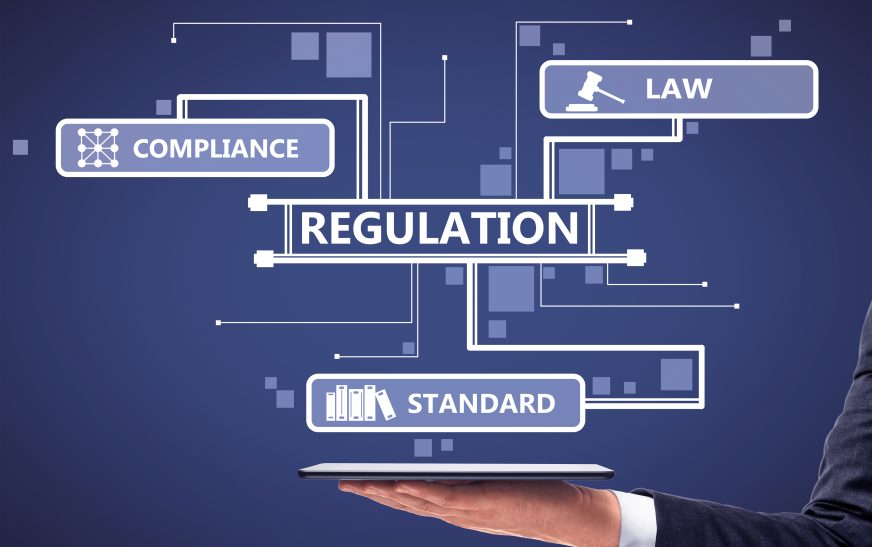
Corporate compliance is the process of ensuring that an organization adheres to all relevant laws, regulations, and internal policies. While it is often seen as a purely legal or administrative function, compliance is actually a major strategic advantage. It is the “safety net” that protects a company from legal liabilities, financial penalties, and reputation damage. For organizations of all sizes, mastering the rules of compliance is a fundamental requirement for market longevity and professional influence.
This guide explores several proven corporate compliance rules that every modern organization must strictly follow. From the power of “Data Privacy” to the importance of “Anti-Bribery” protocols, we dive into the core principles of high-performance organizational integrity. Let’s look at how you can build a more compliant and resilient business for the modern era. The goal is organizational stability through strict adherence to the rules of the game.
1. Prioritizing Data Privacy and Information Security (GDPR and Beyond)
In the digital age, data privacy is one of the most critical compliance areas. Companies must strictly follow rules regarding how they gather, store, and share sensitive customer and employee information. This involves not only adhering to global standards like GDPR but also implementing robust cybersecurity protocols to prevent data breaches. A major data leak is not just a technical failure; it is a compliance disaster that can destroy customer trust and lead to astronomical legal fines. Data security is a foundational compliance requirement.
2. Strict Adherence to Labor Laws and Workplace Equality
Modern compliance rules heavily emphasize the fair and equitable treatment of all employees. Every company should strictly follow laws regarding:
- Fair Compensation: Adhering to minimum wage and overtime regulations.
- Workplace Safety: Ensuring a professional environment that meets all health and safety standards.
- Non-Discrimination: Prohibiting any form of prejudice based on gender, race, or background.
Compliance in these areas is not just about avoiding lawsuits; it is about building a culture of respect and organizational stability.
3. Establishing Robust Anti-Bribery and Corruption Protocols
In a globalized marketplace, every company must strictly follow international anti-corruption laws. This involves establishing clear guidelines for giving and receiving gifts, managing third-party relationships, and ensuring total financial transparency. Compliance rules in this area protect the company from participating in unethical or illegal business practices that could lead to devastating legal and reputation consequences. High-level integrity is the best protection against global corporate scandals.
Compliance Rules Checklist
- Continuous Monitoring: Regularly auditing your internal processes to ensure ongoing compliance.
- Compliance Training: Providing your team with the knowledge they need to follow the rules correctly.
- Documented Policies: Ensuring every compliance rule is written, accessible, and communicated clearly to all staff.
Conclusion
Strictly following corporate compliance rules is an essential milestone for every modern enterprise. By prioritizing data privacy, labor laws, and anti-corruption protocols, you build a more resilient and high-performing organizational culture. In the fast-moving business world of 2026, the companies that lead with precision and ethical adherence will be the ones that achieve the most significant successes. Don’t leave your organizational safety to chance; master the rules of compliance today.