
Importance of Workplace Ethics in Organizations: The Moral Foundation
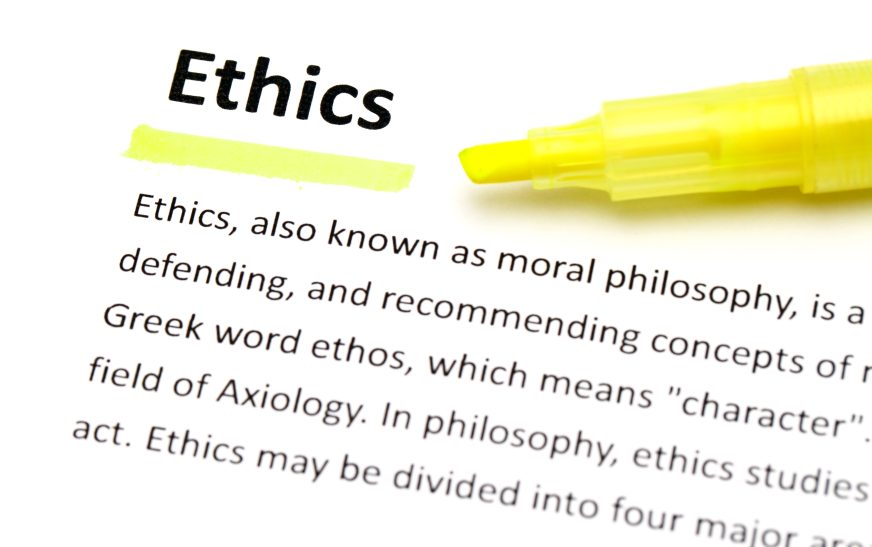
Workplace ethics represents the set of moral principles and values that guide the behavior and decision-making of individuals within an organization. It is the “moral compass” of a business, defining what is right and wrong in a professional context. In an era of increasing corporate scrutiny and social responsibility, the importance of ethics cannot be overstated. A strong ethical foundation is what builds trust with employees, clients, and stakeholders, serving as the primary driver of organizational reputation and long-term stability.
Without a clear ethical framework, businesses are prone to toxic cultures, legal issues, and a lack of transparency that eventually destroys brand value. For leaders and employees at all levels, understanding and embodying high ethical standards is a foundational professional requirement. This guide explores the multifaceted importance of workplace ethics and how it translates into a more profitable and resilient organization. Let’s look at the mechanics of corporate integrity.
1. Building Long-Term Trust with All Stakeholders
Success in business is fundamentally built on trust. Importance of ethics centers precisely around ensuring that every interaction—whether with an employee, a client, or an investor—is characterized by honesty, fairness, and accountability. When an organization behaves ethically, it signals to the world that it is a reliable and trustworthy partner. This trust is what leads to increased employee retention, client loyalty, and a more favorable brand reputation in the global marketplace.
2. Fostering a Healthy and Inclusive Workplace Culture
Workplace ethics is the primary driver of organizational culture. In an ethical environment, employees feel respected and valued, regardless of their background or role. This “culture of integrity” prevents toxic behaviors like harassment, discrimination, and favoritism from taking root. When employees know the company operates with a strong moral foundation, they feel a significantly higher sense of psychological safety and professional purpose, leading to higher baseline productivity and innovation.
3. Mitigating Legal and Financial Organizational Risks
Beyond the moral implications, workplace ethics is a major tool for risk management. Organizations that prioritize ethical conduct are significantly less likely to face costly lawsuits, regulatory fines, and damaging PR scandals. By establishing clear guidelines for professional behavior and ensuring total compliance with laws and regulations, a company protects its financial health and its long-term corporate influence. Ethics is the ultimate safeguard for your organizational assets.
Ethical Importance Checklist
- Accountability: Ensuring everyone takes responsibility for their actions and decisions.
- Fairness: Providing equitable opportunities and treatment for all employees.
- Integrity: Doing the right thing even when no one is watching.
Conclusion
The importance of workplace ethics in organizations is the absolute foundation of corporate excellence. By prioritizing trust, culture, and risk mitigation, you build a resilient and high-performing business. In the high-stakes boardroom of 2026, the companies that lead with integrity and purpose will be the ones that dominate their industry. Don’t leave your organization’s moral foundation to chance; build it strategically through a commitment to ethics.